The making of Marimekko Maridenim

In 2024, Marimekko took on a challenge: to create a product category that would serve as a new canvas for our art of printmaking. Enter Marimekko Maridenim, a collection that brought us into new territory. With its distinctive texture and finish, denim stood apart from our usual materials. Yet from the start, it felt like a natural fit: a versatile wardrobe staple, equally at home with bold prints, cozy knits or a polished pair of heels.
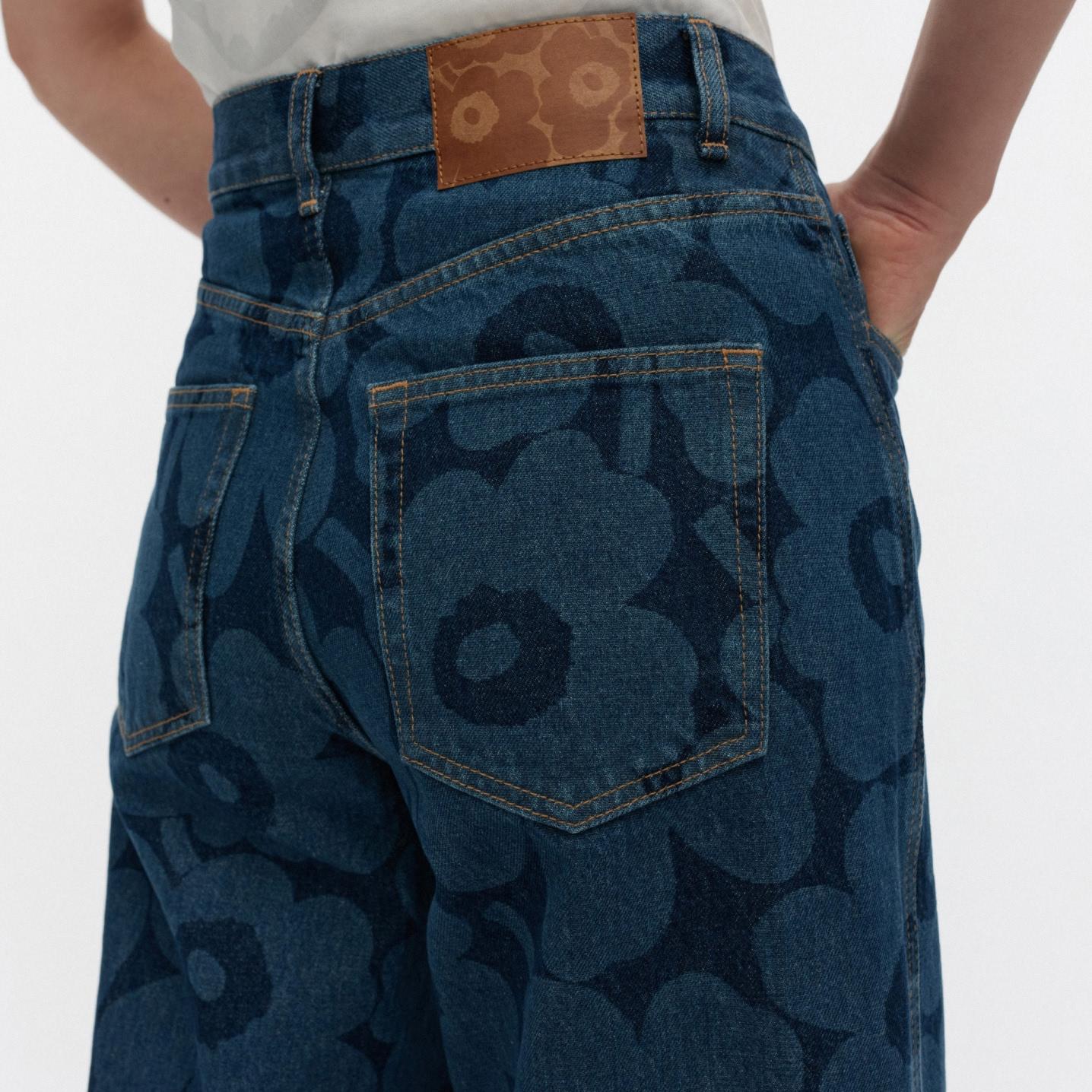
At Marimekko, every new venture begins with a holistic view: from raw materials and design to production, care and what happens after a garment’s first life. For Maridenim, we wanted to go even further.
“To guide us in this work, we decided from the get-go to follow the Ellen MacArthur Foundation’s Jeans Redesign Guidelines,” explains Helle Bengtsen, Denim Designer.
These guidelines, developed by experts across industry, academia and NGOs, set a standard for designing jeans in line with circularity, covering durability, traceability, recyclability, and the use of safe materials and processes.
“The intention is to transform the way jeans are designed and made—so that they are used more, made to be made again and crafted from safe and recycled or renewable inputs,” Helle offers an explanation.
What circularity means to us
Circularity aims to keep materials in use for as long as possible. It’s about creating systems where products are maintained, reused, remanufactured and eventually recycled—minimizing waste and maximizing value.
“It’s a mindset shift, from linear to circular. And it’s something we’re embedding more deeply into every part of our design process, with Maridenim being a great example,” celebrates Tytti Kotipelto, Sustainability Communications Manager.
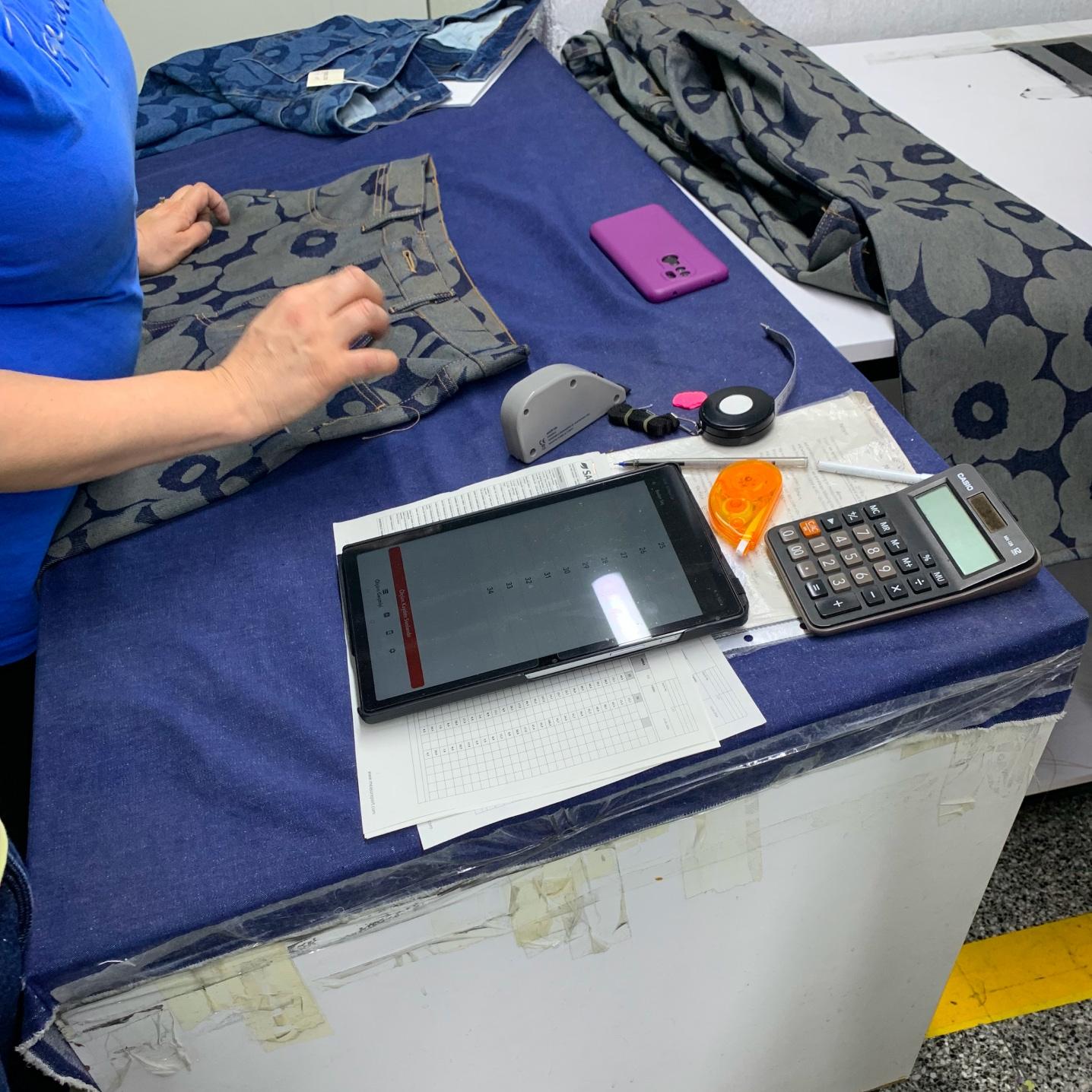
Built to last, in every way
The first principle of the guidelines is: ‘Jeans are used more—designed and manufactured